
The Impacts of Hypermobility
Symptoms can show up in different parts of the body that don’t seem to connect.
In hypermobile bodies, this isn’t random.
Connective tissue exists throughout the entire body, which means it can influence multiple systems — not just the joints.
These patterns may feel separate — but are often part of the same underlying picture.
Seeing the whole picture
Hypermobility doesn’t just affect one part of the body.
It can influence multiple systems — sometimes in ways that don’t seem obviously connected at first.
You don’t need to make sense of everything all at once.
This is a space to gently explore what feels familiar in your body.
Symptomatic hypermobility can affect people in many different ways.
The symptoms listed below are some commonly reported examples, but they are not exhaustive, and not everyone will experience the same patterns or severity.
Explore Your Body
Start with what feels most familiar in your body.
Symptoms often overlap across multiple systems, and experiences can vary significantly from person to person.


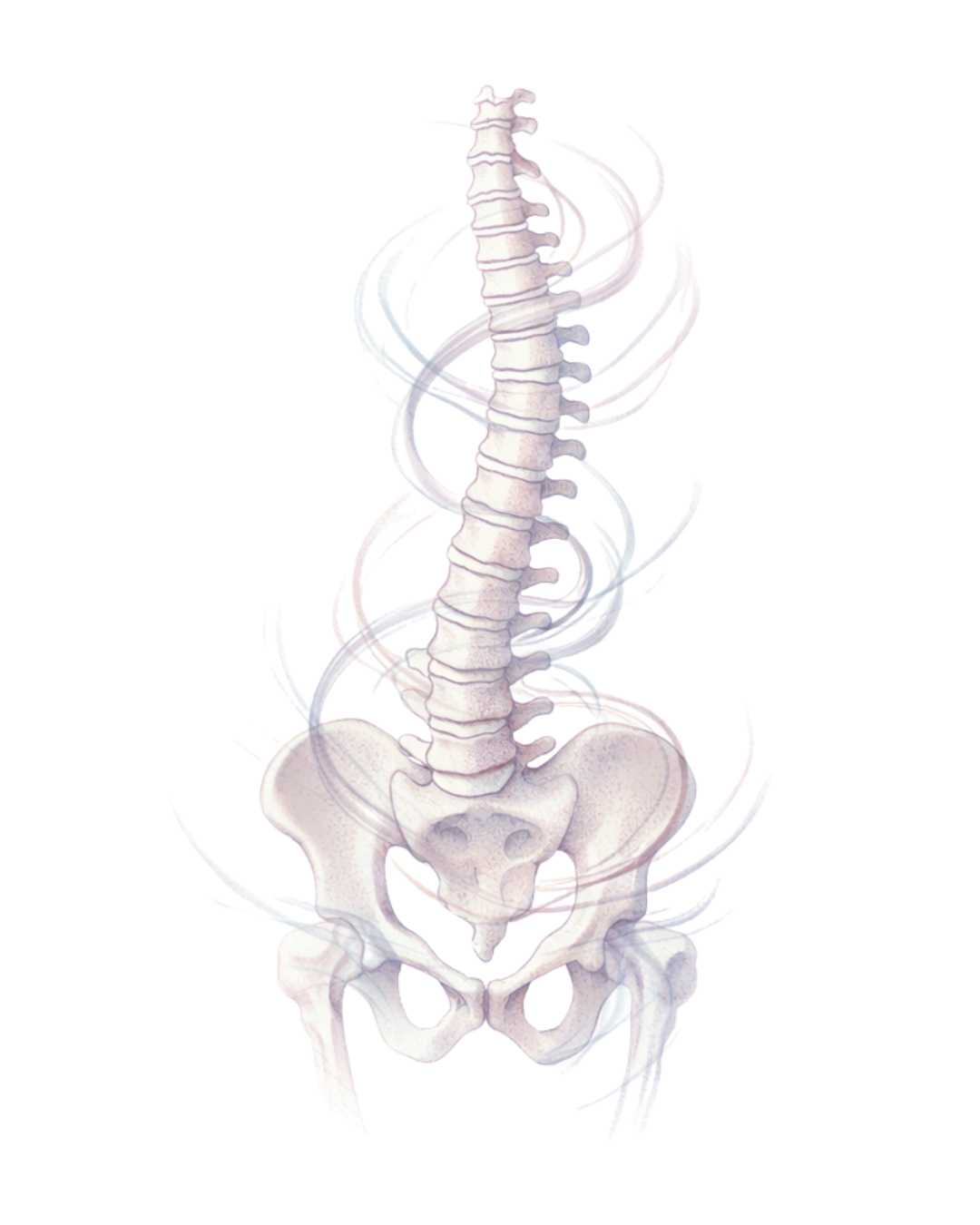
Movement & Stability
(Musculoskeletal System)
Your body may feel less supported or less predictable in movement, especially during daily activities or physical load.
This often reflects the body working harder to create stability when joints move beyond their expected range.
This can show up in ways like:
joint pain or a sense of instability
frequent sprains or soft tissue injuries
joints that shift, click, or move more than expected
muscle fatigue from trying to stabilise
needing more effort to control movement
Not everyone will experience all of these.

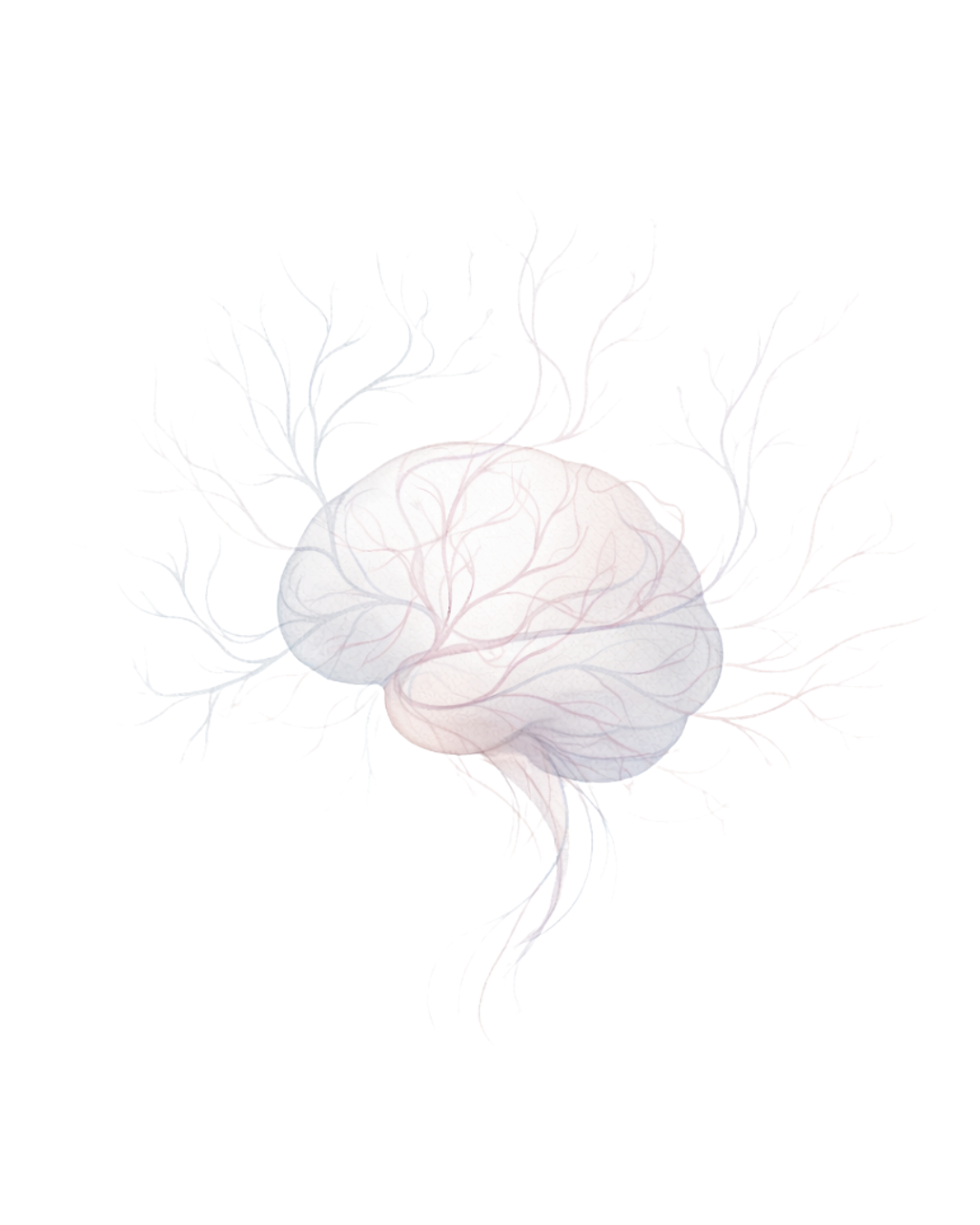
Nervous System & Regulation
(Neurological System)
Your nervous system may respond more sensitively to stress, stimulation, or internal changes.
This can influence how your body processes sensory input, emotional experiences and physical stress.
This can show up in ways like:
feeling easily overwhelmed or overstimulated
sensitivity to noise, light, touch, or environments
difficulty settling or switching off
feeling “on edge”, wired, or unsettled
fluctuations in energy or stress tolerance
These responses are real, and often reflect how your body is trying to adapt and protect.

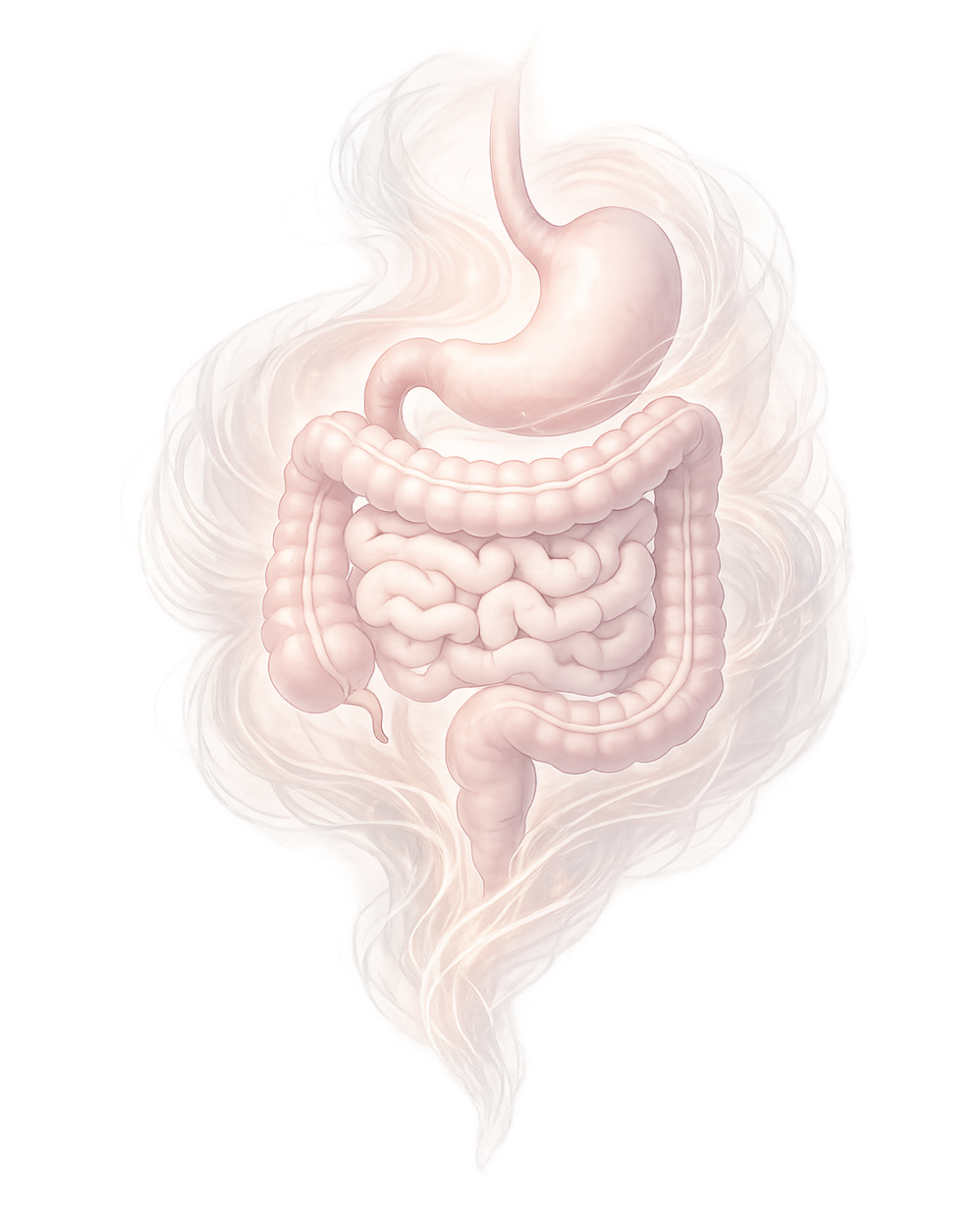
Gut & Digestion
(Gastrointestinal System)
Connective tissue plays a role in how the digestive system moves and functions.
In hypermobile bodies, this can sometimes affect how food is processed or how the gut feels day to day.
You might notice:
bloating or discomfort after eating
changes in digestion (constipation, diarrhoea, or both)
reflux or nausea
sensitivity to certain foods
unpredictable digestive patterns
These patterns can vary over time and don’t always follow a clear or consistent rule.

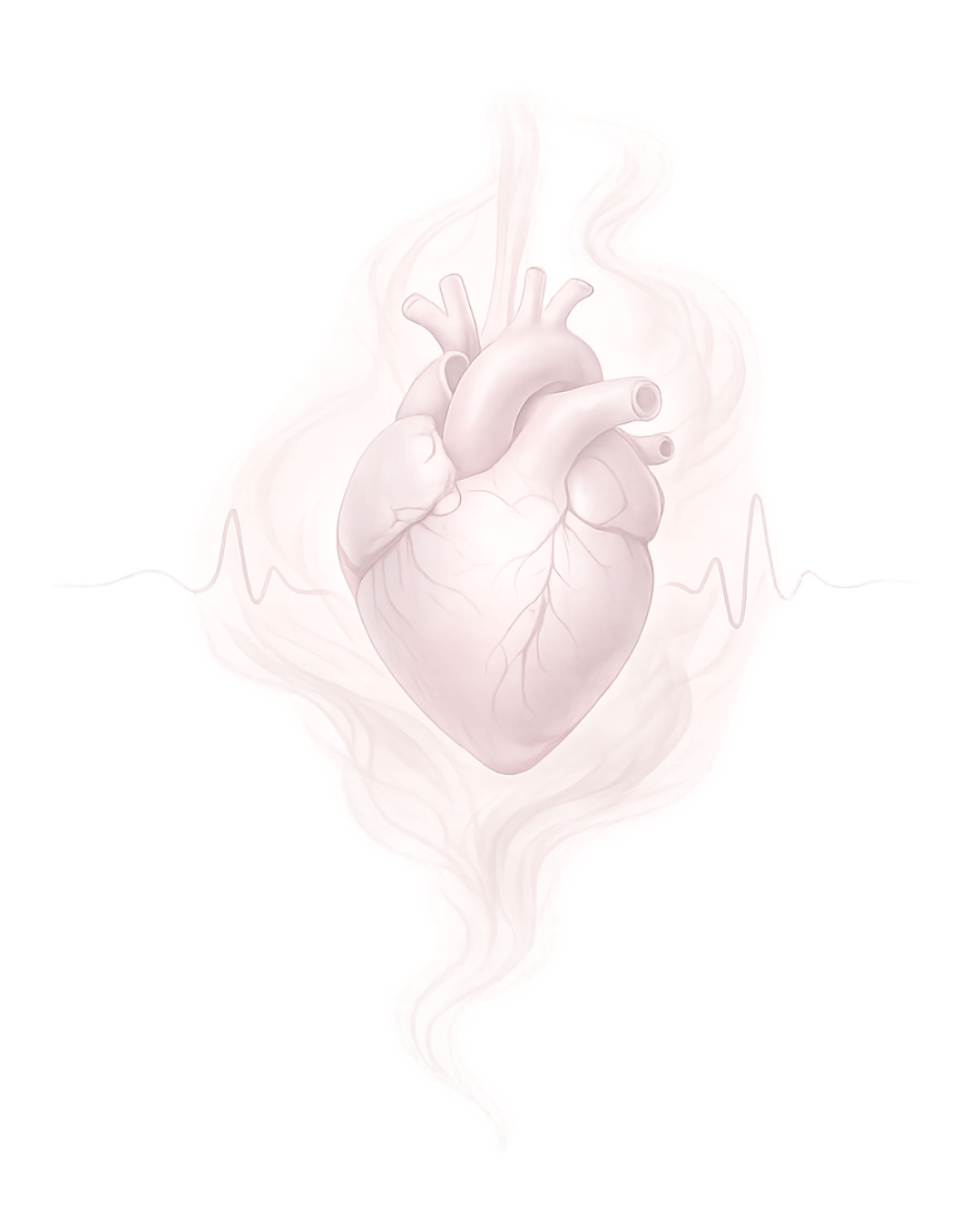
Heart & Blood Pressure Regulation
(Autonomic & Cardiovascular Systems)
Your cardiovascular system helps regulate blood flow, heart rate, and blood pressure.
In some hypermobile bodies, this system can be more reactive or less stable.
This can show up as:
dizziness or lightheadedness, especially when standing
rapid heart rate or palpitations
fatigue that feels out of proportion to activity
feeling faint or unsteady
difficulty tolerating prolonged standing
These experiences are often linked to how the body regulates circulation, rather than a single isolated issue.


Immune System & Sensitivity
(Immunological System)
Some people notice that their body reacts more strongly to environmental or internal triggers.
This can reflect increased sensitivity in immune or inflammatory pathways.
You might notice:
sensitivities to foods, medications, or environments
skin reactions or flushing
allergy-like symptoms
fluctuating inflammatory responses
feeling reactive without a clear cause
These responses can feel unpredictable, and often overlap with other system patterns.

Brain, Focus & Emotional Regulation
(Neurodevelopmental & Psychological Systems)
This can affect how your brain processes attention, emotions, and sensory input.
This can show up in ways like:
Changes in focus, attention, or mental clarity
Feelings of overwhelmed or overstimulated
Strong or shifting emotions, difficulty regulating emotions
Anxiety, low mood, or fluctuating emotional states
Brain fog
Not everyone will experience all of these.

Bladder & Pelvic Health
(Urogynaecological System)
The pelvic region is supported by connective tissue, muscles, and the nervous system.
In hypermobile bodies, this area can sometimes feel less supported or harder to regulate.
You might notice:
urgency or difficulty holding urine
discomfort or pressure in the pelvic area
changes in bowel or bladder control
pelvic pain or sensitivity
These patterns can feel personal or difficult to talk about, but they are a recognised part of how hypermobility can show up in the body.

Skin, Tissue & Healing

(Dermatological System)
Connective tissue is a key part of skin structure and healing processes.
In hypermobile bodies, this can influence how skin feels, stretches, and repairs.
You might notice:
skin that feels soft, stretchy, or fragile
slower healing or more noticeable scarring
easy bruising
stretch marks without clear cause
differences in tissue strength or resilience
These features can vary widely and may or may not be present.


ongoing or fluctuating pain
fatigue that doesn’t fully resolve with rest
increased recovery time after activity
energy levels that vary day to day
feeling drained even after small tasks
These patterns don’t mean your body is failing, they often reflect how much it is managing at once.
Whole-System Patterns
(Multi-system Impact)
Pain and fatigue are common experiences in symptomatic hypermobility, but they don’t always follow a clear pattern.
They can shift depending on activity, stress, and how different systems are interacting.
This might feel like: